

The Global Landscape of Casinos: An In-Depth Exploration
Casinos have been a significant part of entertainment and culture worldwide, evolving from simple gaming houses to grand establishments that attract millions of visitors each year. The various types of casinos—ranging from luxurious resorts to local gaming parlors—reflect the diverse culture and gambling laws of their respective countries. As we explore the thrilling world of casinos, we also recognize their role in local economies, tourism, and even philanthropy. For a deeper understanding of related cultural attractions, visit casinos worldwide museumsnorfolk.org.uk, which highlights various historical and cultural sites.
The Evolution of casinos
The concept of gambling can be traced back thousands of years, with ancient civilizations engaging in various betting practices. However, the modern casino, as we recognize it today, began to take shape in the 17th century, with places like the Casino di Venezia in Italy marking the beginning of a new era. During the 19th century, gambling houses flourished in Europe, and quickly spread to the United States. The establishment of casinos in places like Las Vegas and Atlantic City during the 20th century revolutionized the industry, leading to the lavish resorts and gaming complexes we see today.
Popular Casino Destinations
The world is dotted with famous casinos that draw tourists for their impressive architectures, luxurious amenities, and unique gaming experiences. Here are some of the most notable casino destinations:
1. Las Vegas, Nevada, USA
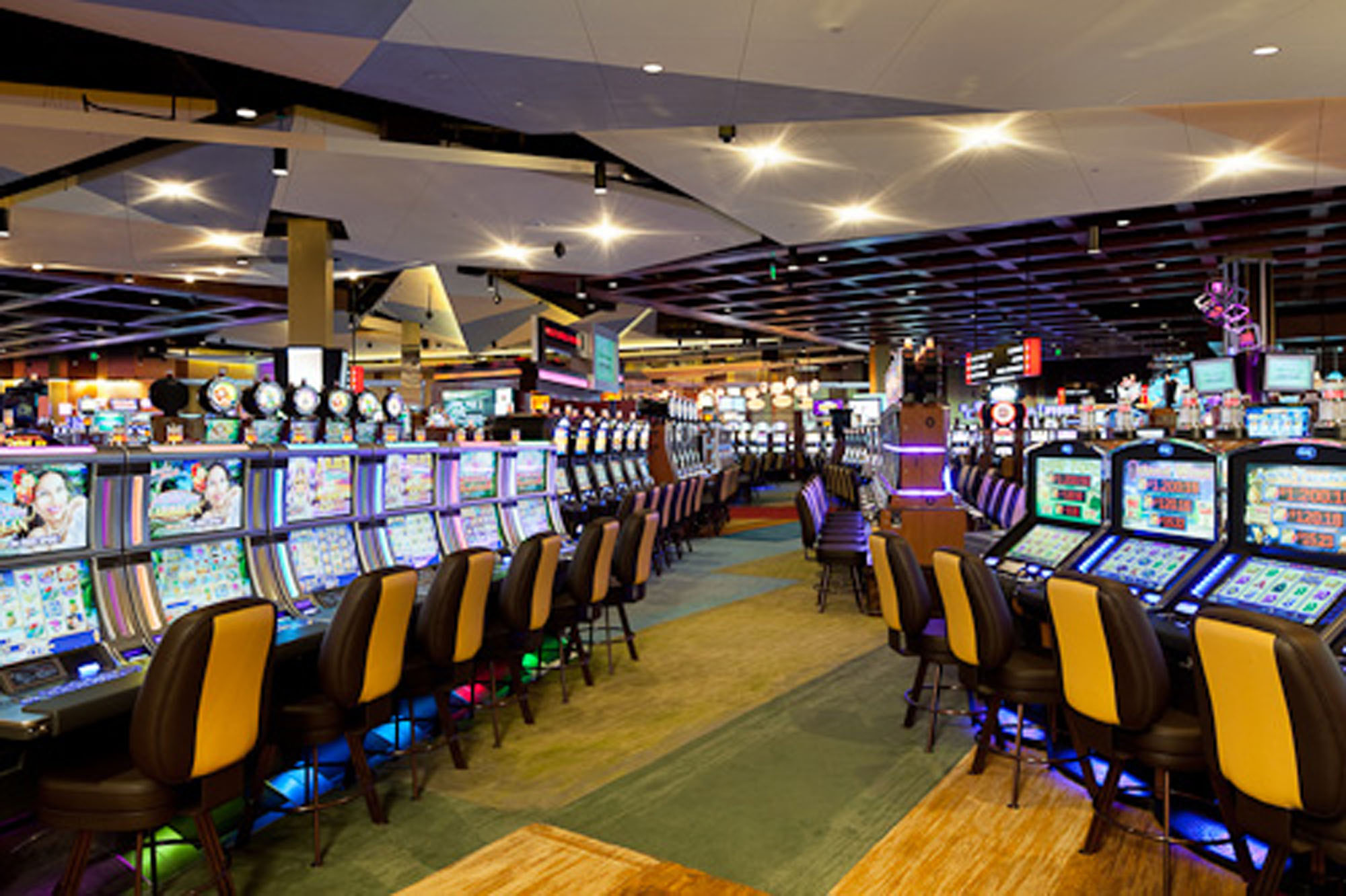
Las Vegas is perhaps the most iconic casino city in the world. Known as the Entertainment Capital of the World, Las Vegas boasts a vibrant nightlife, extravagant shows, and, of course, its world-famous casinos. The Strip is home to luxurious resorts like The Bellagio, Caesars Palace, and MGM Grand, each offering a unique experience. From penny slots to high-stakes poker, Las Vegas caters to every type of gambler. Additionally, the city hosts numerous events and conventions surrounding gaming, making it a central hub for the casino industry.
2. Monte Carlo, Monaco
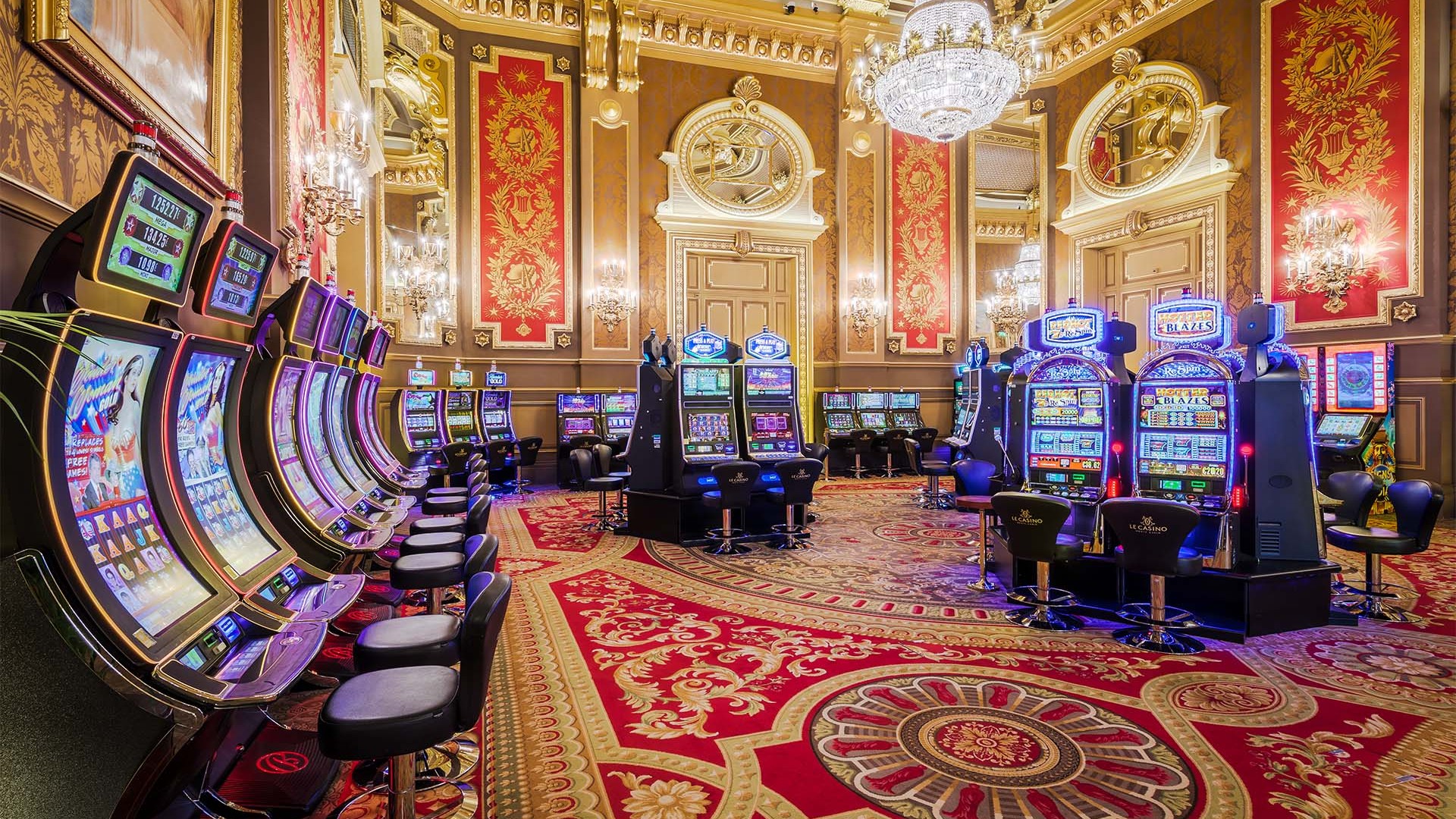
Monte Carlo is synonymous with luxury and elegance. The Casino de Monte-Carlo, established in 1863, is a landmark of opulence, attracting high rollers and celebrities from around the globe. The casino features a stunning architectural design and offers a range of games, including poker, roulette, and baccarat. Beyond gaming, Monte Carlo is a playground for the rich, offering fine dining, lavish shopping, and breathtaking views of the Mediterranean.
3. Macau, China
Macau has surged into the spotlight as the “Gambling Capital of the World,” surpassing Las Vegas in gaming revenue. With its unique blend of Portuguese and Chinese cultures, Macau boasts an array of casinos that rival Las Vegas in size and luxury. The Venetian Macao, for instance, is the largest casino in the world, featuring an elaborate system of canals and gondola rides. The city’s gaming laws are more lenient than those in mainland China, allowing it to thrive as a gambling destination.
4. Atlantic City, New Jersey, USA
Atlantic City was once the premier gambling destination in the United States, known for its boardwalk and sandy beaches. The city has seen a resurgence in recent years, with casinos like the Borgata and Hard Rock Hotel & Casino rejuvenating its image. While it may not have the flashy reputation of Las Vegas, Atlantic City remains a popular destination for East Coast gamblers.
The Cultural Impact of Casinos
Casinos are more than just places to gamble; they often serve as cultural hubs in their respective areas. Many casinos feature artwork, live performances, and dining experiences that reflect local culture. In Las Vegas, for instance, visiting a casino is as much about the shows and attractions as it is about gaming. Similarly, in Monaco, the Casino de Monte-Carlo serves as a cultural landmark, hosting events like the Monaco Grand Prix and the Monte-Carlo Television Festival.
Economic Contributions
The casino industry is a significant driver of economic growth in many regions. They create jobs, both directly within the casinos and indirectly through tourism, hospitality, and service industries. In Las Vegas, the gaming industry supports hundreds of thousands of jobs and generates billions in tax revenue that funds public services. Additionally, casinos often engage in philanthropic efforts, contributing to community development and welfare programs.
Emerging Trends in the Casino Industry
As technology continues to advance, the casino industry has been evolving in response to consumer preferences. Online gaming and mobile casinos have exploded in popularity, allowing players to gamble from the comfort of their homes. Virtual reality casinos are also gaining traction, offering immersive experiences that mimic the excitement of a physical casino. Traditional casinos are adapting by incorporating technology, introducing cashless gaming options, and enhancing customer experience through personalized services.
Conclusion
Casinos worldwide are testament to humanity’s enduring fascination with games of chance. They have evolved into multifaceted entertainment complexes that contribute to economic growth while showcasing local culture and history. As we look toward the future, the industry will undoubtedly continue to evolve, balancing traditional gaming experiences with innovative technology to captivate new generations of gamblers. Whether you prefer the electric atmosphere of Las Vegas or the refined elegance of Monte Carlo, there’s a casino experience waiting for you.
